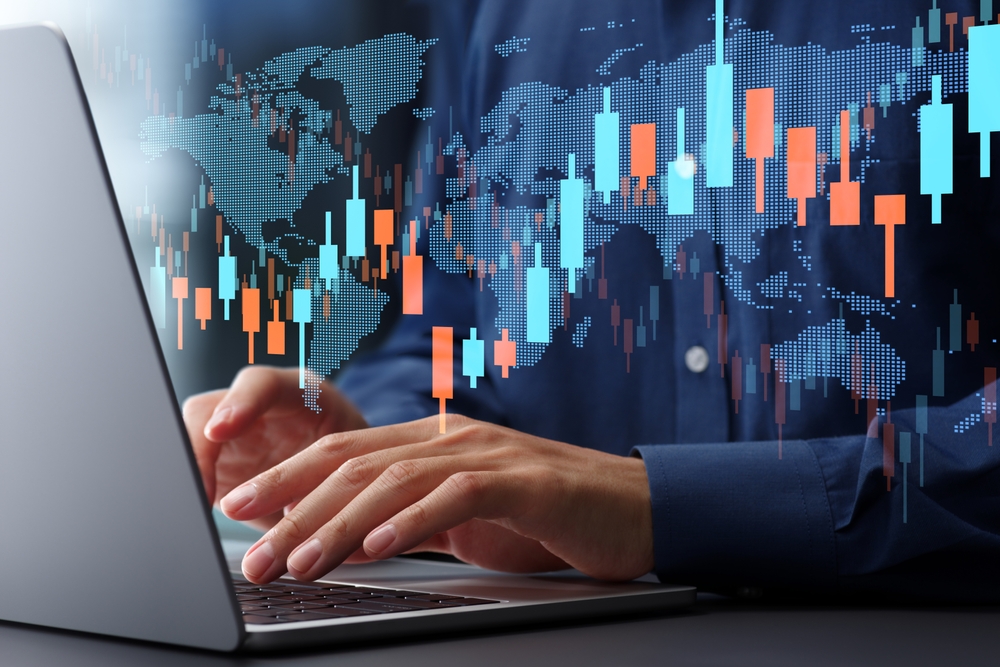
Digitalisation is transforming every aspect of our world, including the commodities trading sector – which, until relatively recently, was one where much of the work was undertaken manually by telephoning brokers and gathering information from a variety of sources. Improving the interconnectedness of markets is likely to continue throughout 2025 and beyond.
A Data Revolution
A data revolution is currently underway in commodities analytics, with access to information becoming increasingly democratic and universal. The visibility and transparency of data has enhanced the efficiency of commodities markets and facilitated the rise of algorithmic trading, which involves operating at high volume and with thin margins. This explosion of data is helping traders harness relevant information, detect the right signals and filter out noise, often giving them a greater chance of success.
The Benefits of Digitalising Commodities Analytics
Saving time and money and generating additional revenue are just a few of the benefits of digitalisation. Such digital transformation in the world of commodities analytics is likely to offer a speedy return on investment.
It can facilitate tackling climate change by tracking carbon emitted through the trading of commodities and make it possible to react more quickly to the potentially catastrophic effects of events like global unrest and food instability. In terms of the latter, real-time data regarding the flow of foodstuffs and energy supplies have already allowed governments to secure supplies from alternative partners and sources.
The Challenges of Big Data
Experts in this field, such as Domen Zavrl, know that collecting and using a huge amount of data is not without its challenges. For example, the sheer volume of information means that it is no longer possible for humans to analyse it: for this task, technology and digital tools need to be brought onboard.
In other words, data needs to be able to work with data. To take full advantage of big data, traders and trading firms must be able to integrate this information with data they already generate to produce meaningful insights.
What Will the Future Bring?
Throughout this year and beyond new technologies and digital transformation are set to have a huge impact on the way commodities data is captured and analysed. As well as continuing to drive efficiencies, an improved understanding of the interconnectedness of all markets and data points will allow traders to see at a glance how different commodities markets impact and relate to each other.
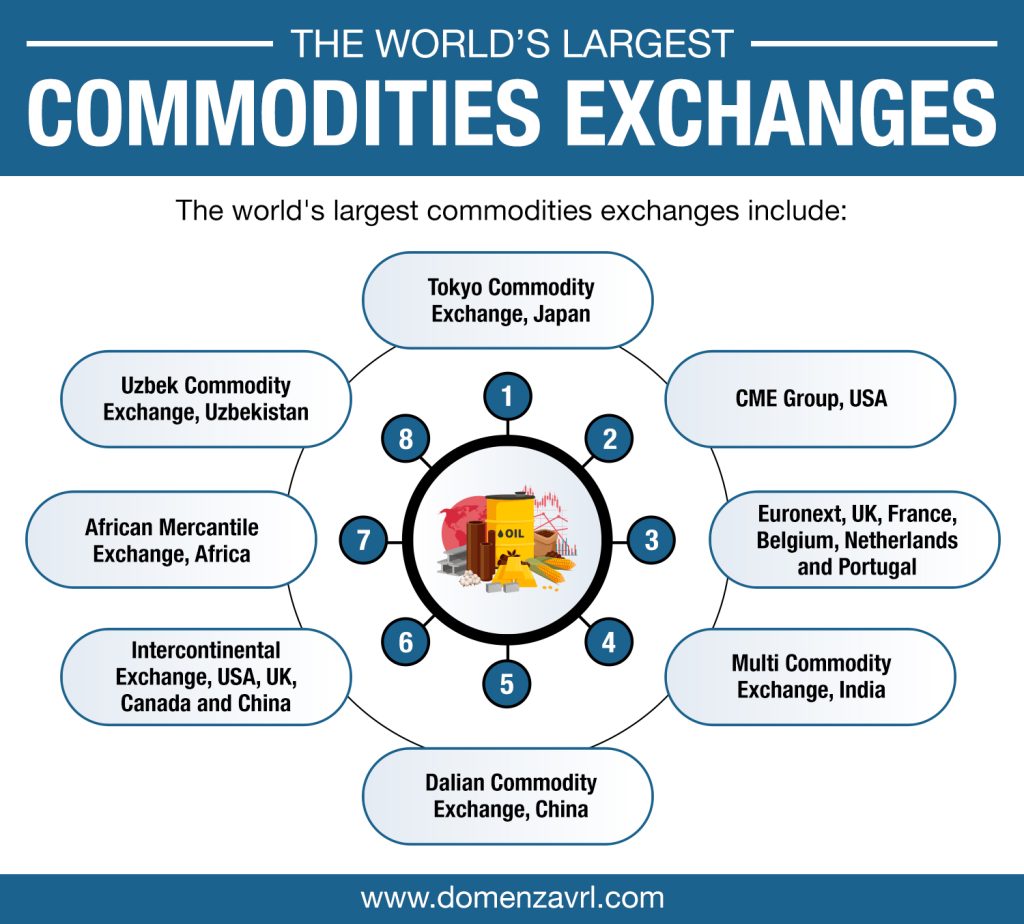
For more information about commodities markets, take a look at the embedded PDF.
Recent Comments