

Carbon credits can be purchased by companies (usually from governments) that give them permission to emit a certain amount of carbon emissions as part of their operations. One carbon credit usually equals one ton of C02 emissions. Companies can, if they wish, sell any excess carbon credits to other companies.
Carbon markets give investors and companies a forum in which to trade both carbon offsets and carbon credits. As well as being potentially beneficial to the environment, these new markets have created new financial opportunities.
How Many Carbon Markets Are There?
There are around 30 compliance carbon markets worldwide and many more voluntary ones. The former are established by governments and regulate the trading and supply of carbon credits, while in the latter carbon credits are traded on a voluntary basis. In 2021, compliance carbon markets were valued at a staggering $850 billion according to TheCityUK. For more information about carbon markets, take a look at the embedded PDF.
What Is the Difference Between Carbon Credits and Carbon Offsets?
Carbon credits and carbon offsets are distinct mechanisms. The first aims to reduce the amount of greenhouse gas emissions, while the second promotes the removal of greenhouse gases from the atmosphere. Once either is used, it’s effectively ‘retired’ and cannot be used again.
Carbon Credits as a Commodity
Those interested in this sector – such as Domen Zavrl – understand that, as a type of commodity, carbon credits are somewhat unusual. Their exact value is difficult to gauge (and may fluctuate after purchase), and they aren’t physical assets. However, like physical assets, carbon credits are consumable and require verification, quality control and project management. Plus, they are in extremely high demand by some of the world’s largest companies.
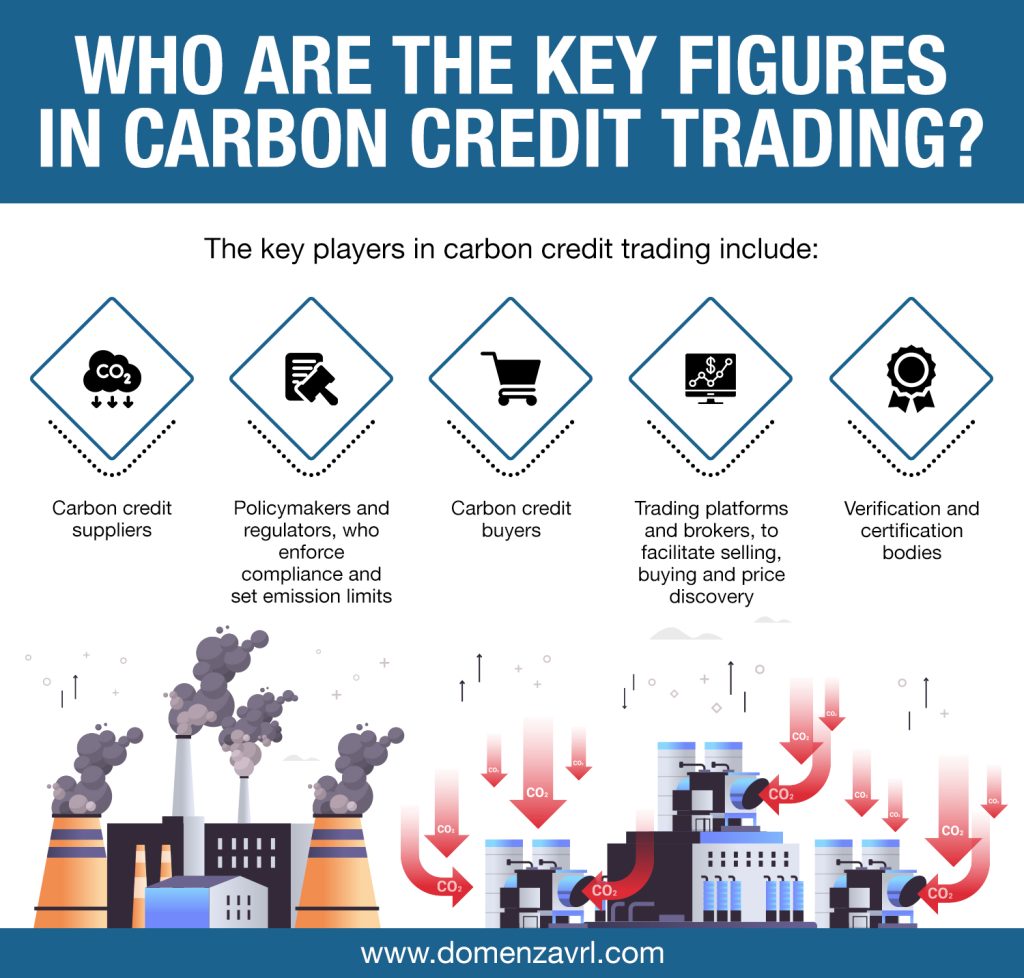
Carbon Investment Gaining Traction
Carbon companies are becoming increasingly attractive to investors, driven by a general global transition to low-carbon economies. Furthermore, carbon trading is now a key mechanism to reduce greenhouse gas emissions, with many businesses making investment in carbon credits a key element of their financial and sustainability strategies.
To navigate the carbon market landscape, companies should consider hedging against price risks by, for example, employing risk management tools like options, swaps and futures to mitigate potential price volatility. Businesses should also think carefully about market liquidity, risk exposure and credit quality to optimise financial benefits and ensure their investment aligns with their overarching ESG goals to minimise regulatory exposure and enhance their sustainability commitments.
Recent Comments